COMPASS showcases its vision for cardio-oncology care to the local community in Calabria
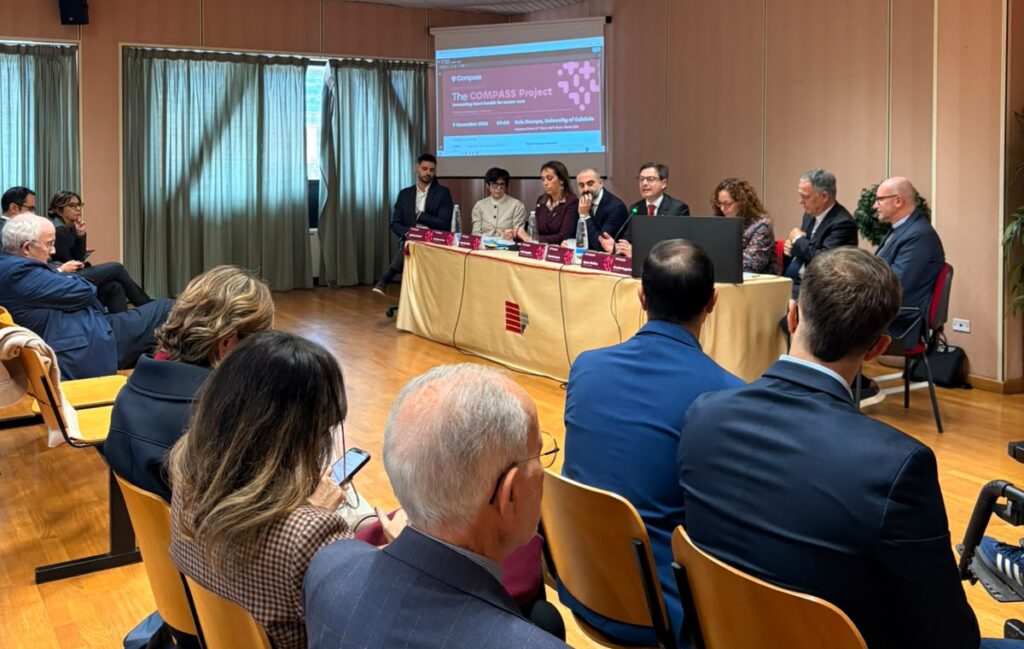
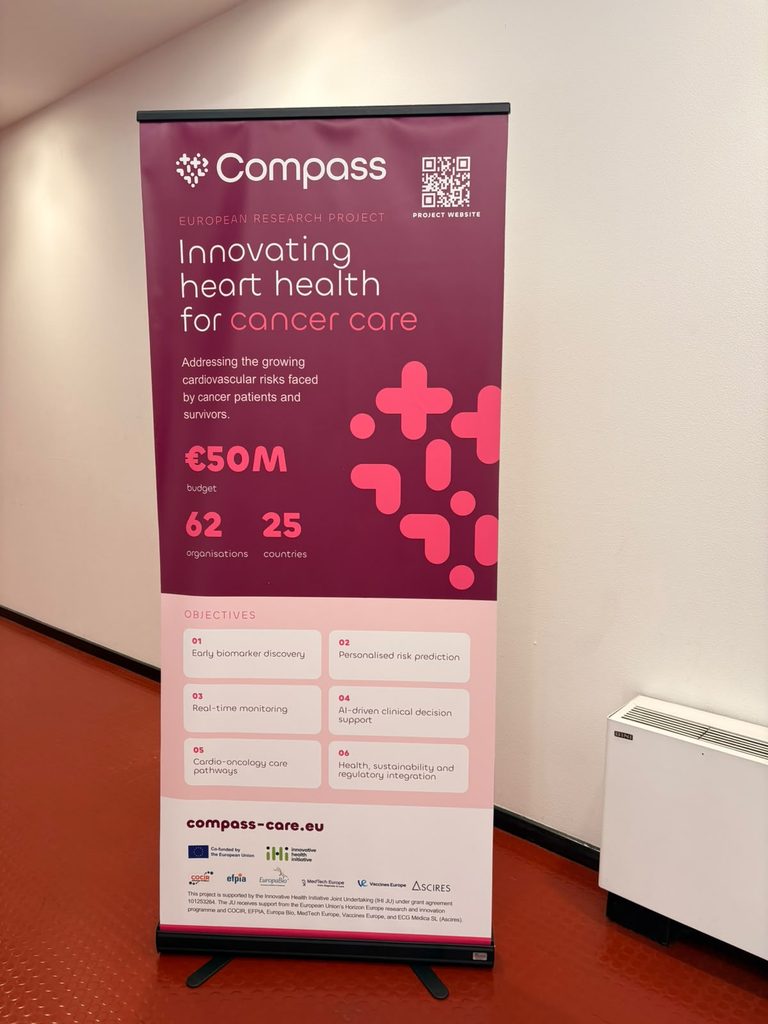
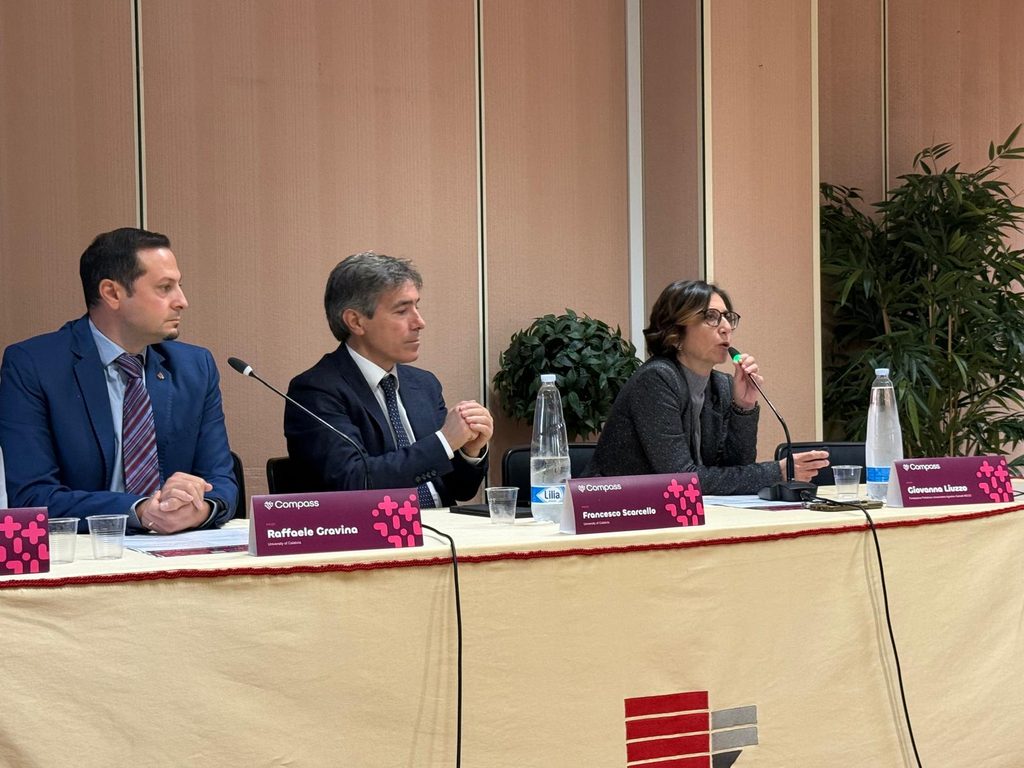
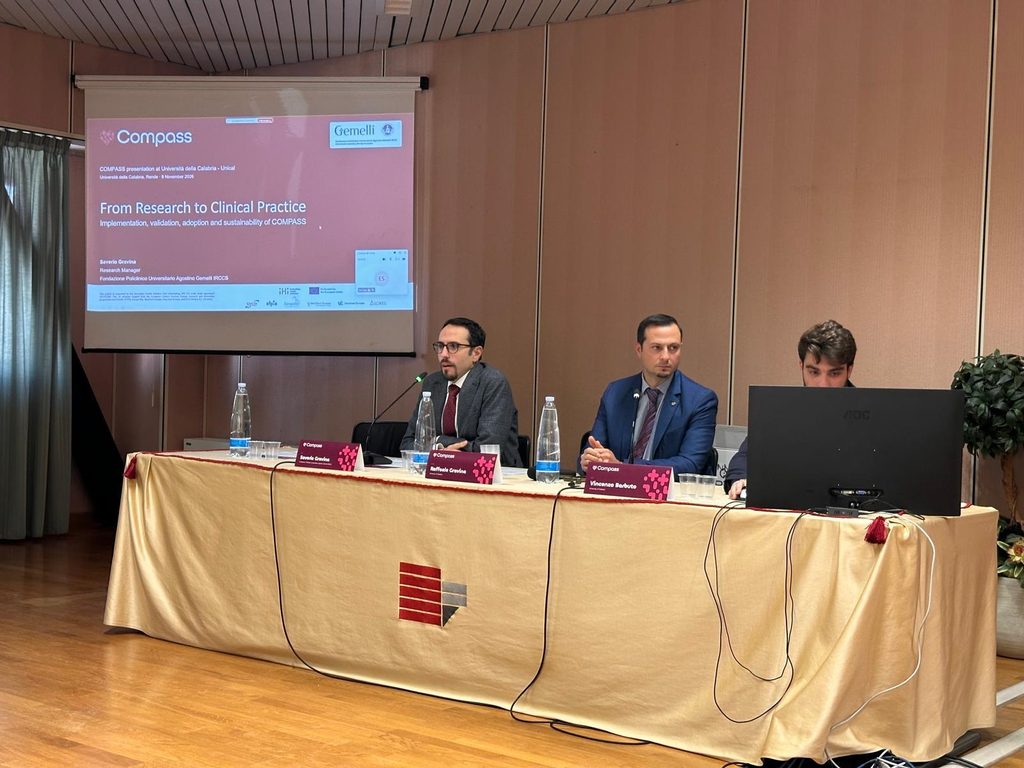
The University of Calabria hosted a dedicated event on 9 November 2026 to introduce the COMPASS project, bringing together local stakeholders and project partners to explore how research and innovation can contribute to better cardiovascular care for cancer patients and survivors.
The initiative brought together local stakeholders and project partners to raise awareness of cardiotoxicity and explore how scientific research, technological innovation and multidisciplinary collaboration can contribute to improving cardiovascular care for cancer patients and survivors.
Exploring the potential of innovation in cardio-oncology
The event featured contributions from several COMPASS partners who shared insights into the project’s multidisciplinary approach, illustrating how scientific research, advanced technologies and collaboration can help address some of the key challenges in cardio-oncology.
The presentations explored different aspects of the project, from the identification of new biomarkers and the use of advanced medical imaging to the potential of artificial intelligence (AI) and wearable technologies for earlier detection and continuous monitoring of cardiovascular complications associated with cancer treatments.
Participants also had the opportunity to learn about the development of AI-based clinical decision support toolsdesigned to help healthcare professionals make more informed and personalised decisions, as well as the importance of translating research results into solutions that can be integrated into everyday clinical practice.
Together, these perspectives highlighted one of the central ambitions of COMPASS: bringing together expertise from different disciplines to improve cardiovascular risk prediction, early detection, treatment and long-term care for cancer patients and survivors.
Bringing research closer to society
Beyond showcasing the project’s scientific and technological ambitions, the event represented an opportunity to raise awareness of cardiotoxicity beyond the scientific community. Making knowledge about cardiovascular risks associated with cancer treatments more accessible to patients, healthcare professionals and society is an important part of the COMPASS mission.
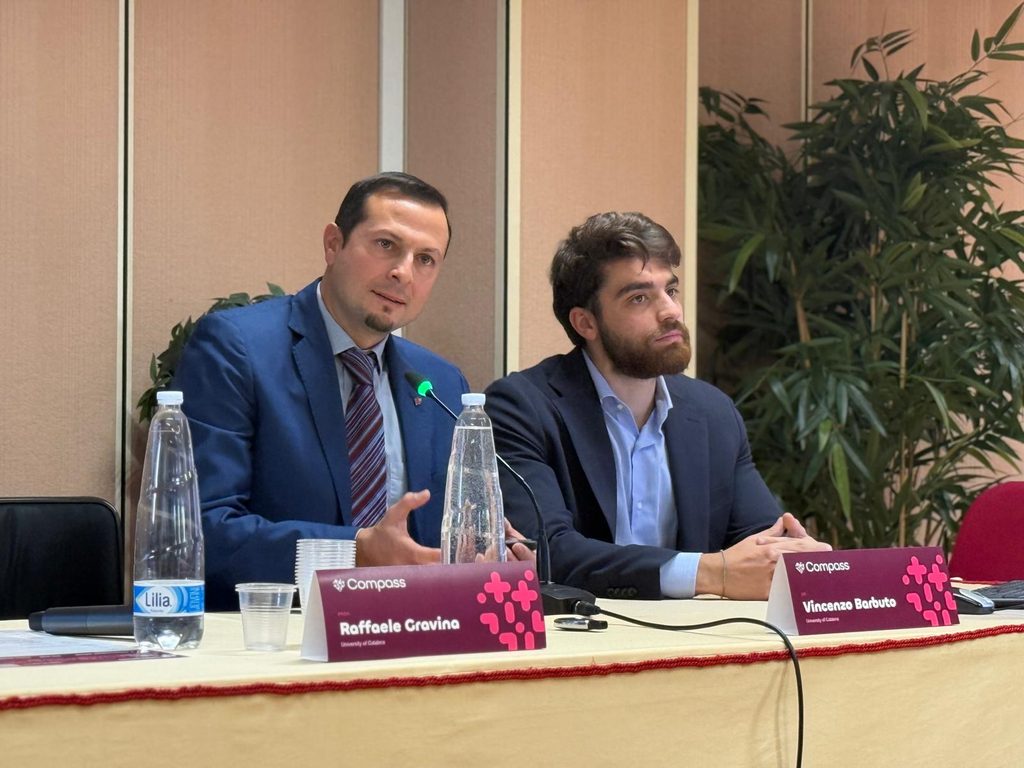
For the University of Calabria, hosting this initiative was particularly meaningful, as Vincenzo, Raffaele, and the entire team highlighted:
“Having the opportunity to introduce COMPASS to our local community was particularly meaningful to us. We strongly believe that initiatives like COMPASS can make a real difference in our region, where raising awareness and fostering innovation in healthcare are increasingly important.”
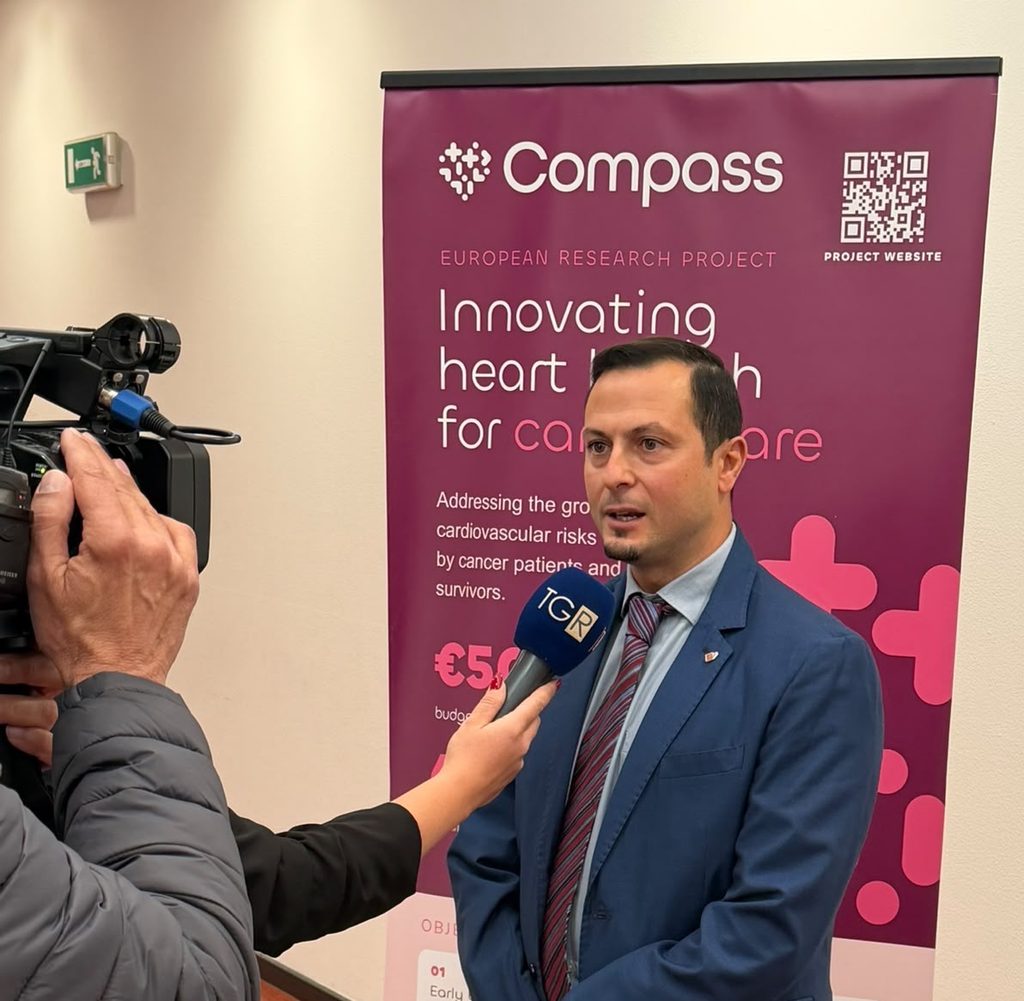
Raffaele Gravina, from the University of Calabria, speaking to local media during the COMPASS event.
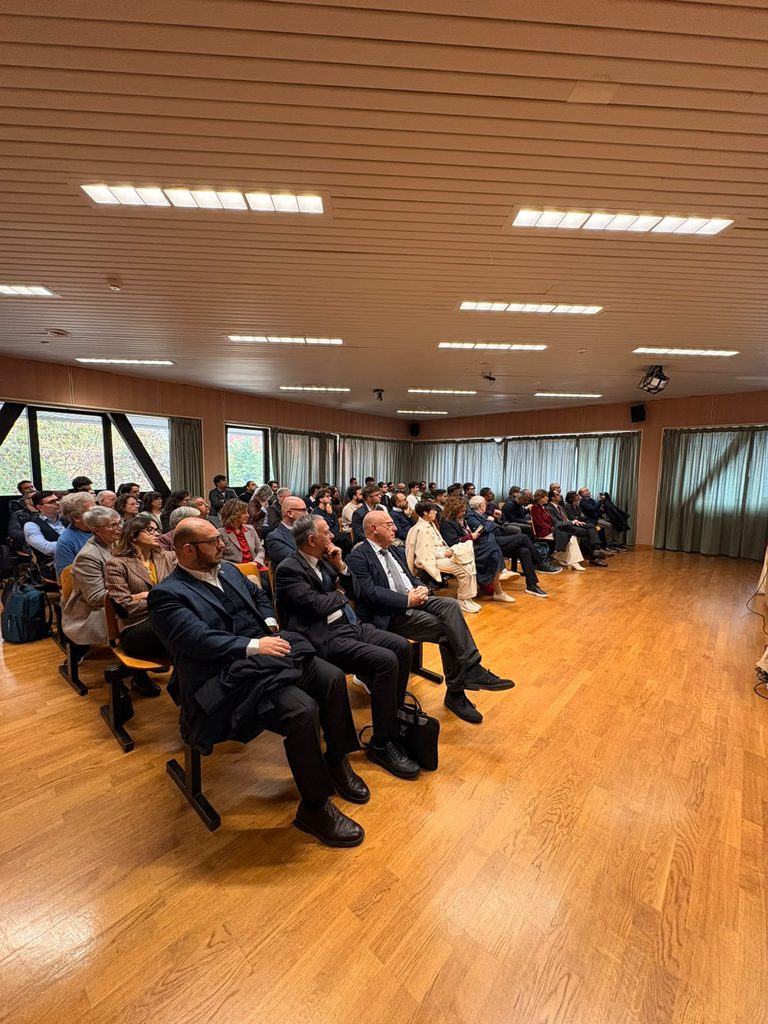
The organisers also expressed their satisfaction with the interest and enthusiasm shown by the audience, reflecting the value of creating opportunities for dialogue between European research initiatives and local communities.
Through activities such as this, COMPASS continues to strengthen its commitment to knowledge sharing, multidisciplinary collaboration and greater awareness of cardio-oncology, working towards a future in which cardiovascular health is better integrated into cancer care.