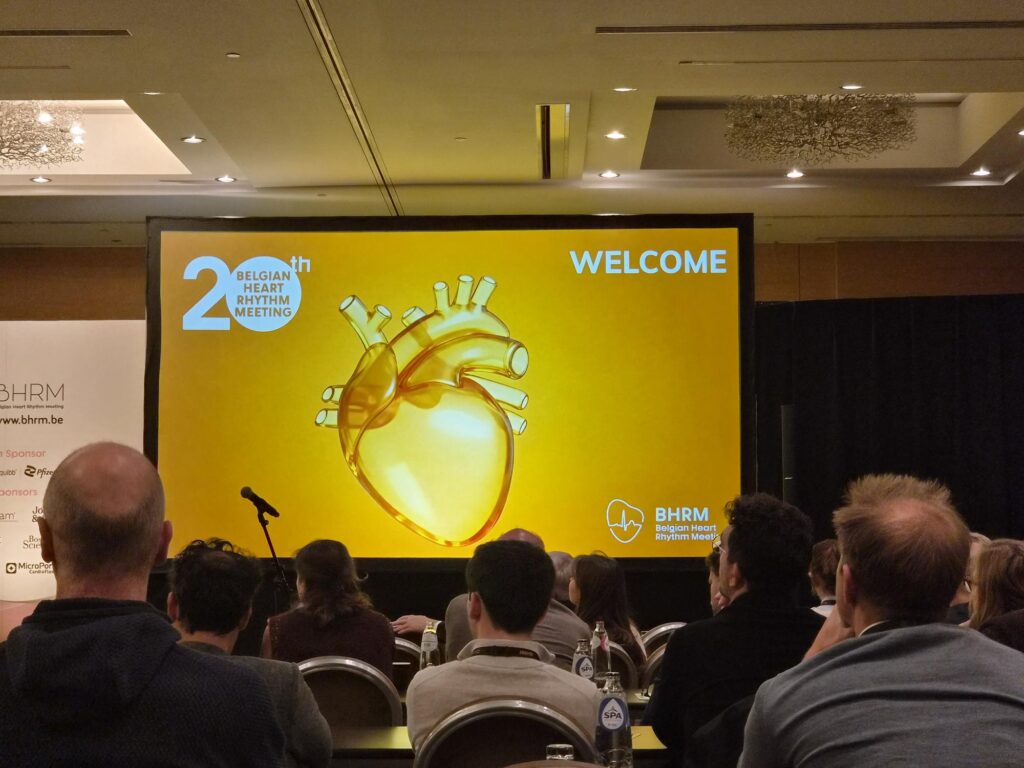
COMPASS participated in the Belgian Heart Rhythm Meeting (BHRM) 2026, exploring advances in cardiac electrophysiology, innovative monitoring technologies and opportunities for collaboration to improve cardiovascular care for cancer patients and survivors.
From 18th to 20th November 2026, the conference brought together clinical experts, researchers, industry representatives and other stakeholders working in cardiac electrophysiology and arrhythmia management. Several COMPASS partners were part of the event, including LIVV and GE HealthCare.
The meeting provided an opportunity to exchange knowledge on emerging technologies, identify relevant stakeholders within the Belgian healthcare ecosystem and explore how developments in cardiovascular monitoring could contribute to the objectives of COMPASS.
Beyond scientific and technological innovation, the discussions also highlighted an important challenge: strengthening the connections between cardiology and oncology to improve awareness, prevention and early detection of cardiovascular complications associated with cancer treatments.
Cardio-oncology and electrophysiology: strengthening the connection
Cardiovascular toxicity is a recognised complication of certain cancer treatments, with potential consequences for patients’ cardiovascular health during and after therapy. While cardiotoxicity is frequently associated with myocardial dysfunction and heart failure, its effects extend beyond these conditions. Cancer treatments can also contribute to cardiac arrhythmias, including atrial fibrillation and ventricular arrhythmias, as well as abnormalities in the heart’s electrical conduction system.
These complications highlight the importance of cardiac electrophysiology within cardio-oncology and the need for closer collaboration between specialists working in both fields.
For COMPASS, addressing this gap is particularly relevant. The project aims to improve the prediction, early detection and management of cardiovascular complications in cancer patients and survivors, bringing together expertise from cardiology, oncology, digital health and other disciplines.
Exploring innovative technologies for cardiac monitoring
Another highlight of the BHRM was the strong presence of companies presenting innovative cardiac monitoring solutions, particularly technologies designed for home-based and remote monitoring. These developments are increasingly relevant to cardiovascular care, offering possibilities to monitor patients beyond traditional hospital settings and identify changes in cardiac health over time.
In cardio-oncology, such approaches could be particularly valuable. Cardiovascular complications may develop during cancer treatment or emerge later, making long-term monitoring an important consideration for patient follow-up. Remote monitoring technologies could help detect arrhythmias and other cardiovascular abnormalities earlier, complementing conventional clinical assessments and supporting more timely medical intervention.
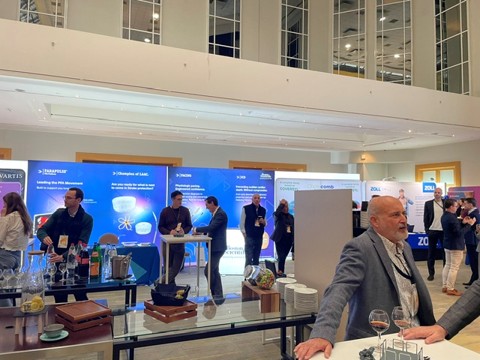
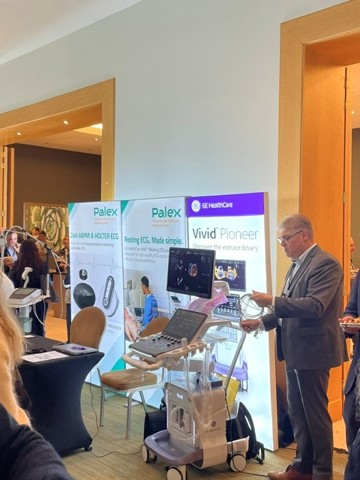
These innovations are closely aligned with COMPASS ambition to develop more proactive, personalised approaches to cardiovascular risk assessment and monitoring. Understanding how innovative technologies could be integrated into existing healthcare pathways is an important step towards translating scientific and technological advances into practical benefits for patients.
The conference also offered an opportunity to explore emerging technological solutions and gain insights into potential implementation considerations within the Belgian healthcare system.
Strengthening stakeholder engagement and collaboration
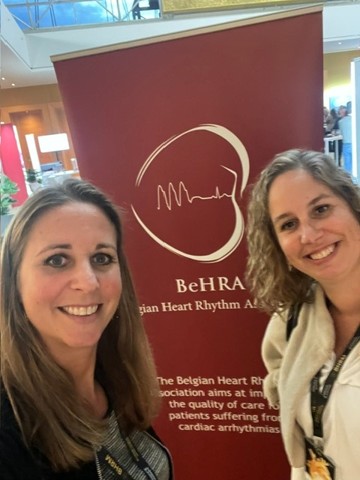
Beyond the scientific sessions, COMPASS at the Belgian Heart Rhythm Meeting 2026 also focused on strengthening stakeholder engagement and exploring new opportunities for collaboratio. The team exchanged views with industry representatives and connected with BiPiB, a Belgian patient association, to introduce the project and discuss awareness of cardiovascular complications associated with cancer treatments. These discussions highlighted opportunities to strengthen patient education on cardiotoxicity and explore potential future collaboration with patient organisations.
LIVV’s participation also contributed to the project’s stakeholder mapping activities, helping identify relevant organisations and opportunities for knowledge exchange within the Belgian healthcare ecosystem.
Overall, the experience reinforced the importance of connecting scientific expertise, technological innovation and patient perspectives to advance cardio-oncology. By fostering multidisciplinary collaboration and raising awareness of cardiovascular risks associated with cancer treatments, COMPASS aims to support earlier detection, improved monitoring and more personalised care for cancer patients and survivors.
Stay connected with COMPASS to follow our latest activities, collaborations and progress towards better cardiovascular health in cancer care.