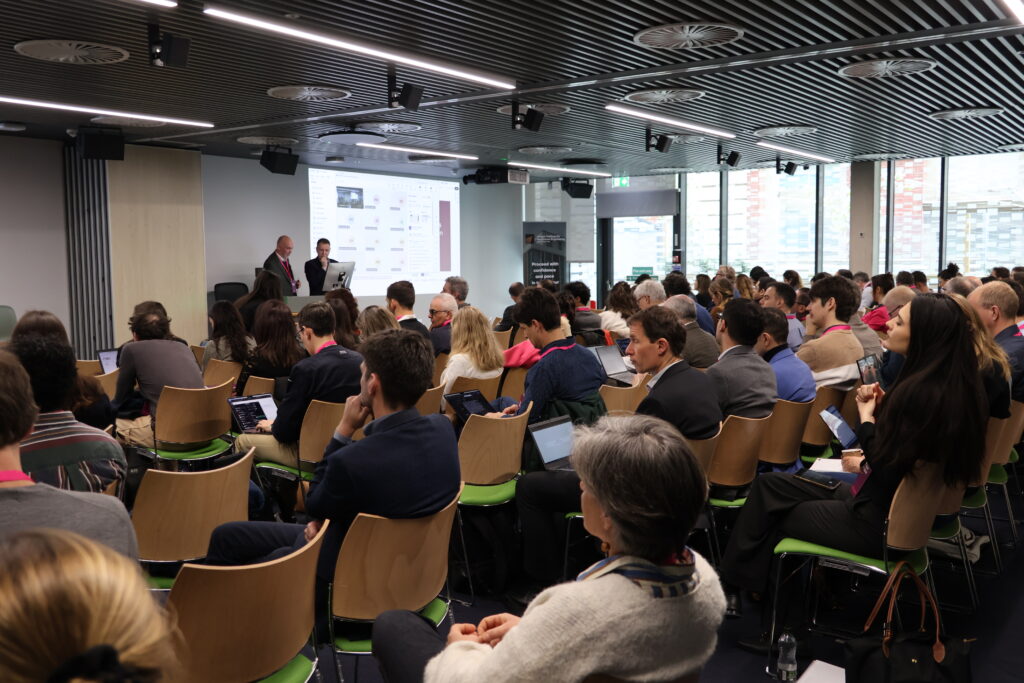
IEEE MetroLivEnv 2026: COMPASS research on wearable monitoring for early cardiotoxicity detection

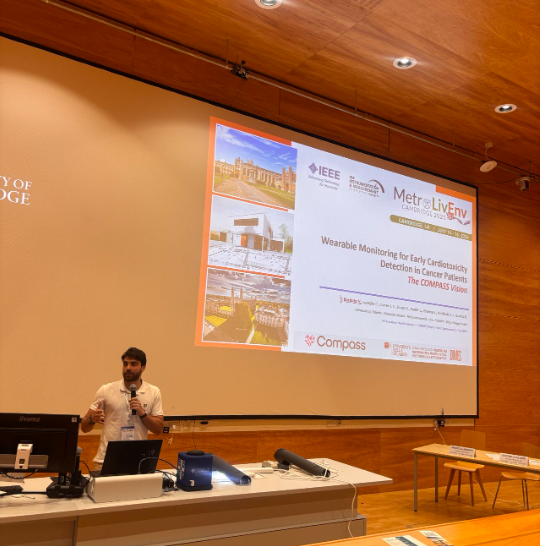
The COMPASS project was recently represented at the IEEE International Workshop on Metrology for Living Environment (IEEE MetroLivEnv 2026), held in Cambridge, United Kingdom, where researchers presented ongoing work exploring the potential of wearable technologies to support the early detection of cardiotoxicity in cancer patients.

The contribution, entitled «Wearable Monitoring for Early Cardiotoxicity Detection in Cancer Patients: The COMPASS Vision,» highlights how continuous, non-invasive monitoring could help extend cardiovascular assessment beyond the hospital environment, supporting earlier identification of cardiovascular complications associated with cancer treatments.

«This is particularly relevant in cardio-oncology, where cardiovascular toxicity induced by cancer therapies can be subtle, transient, or progressively evolving, and may remain unnoticed between scheduled clinical visits,» explained Vincenzo Barbuto from the University of Calabria (UNICAL), who presented the COMPASS research at the workshop.
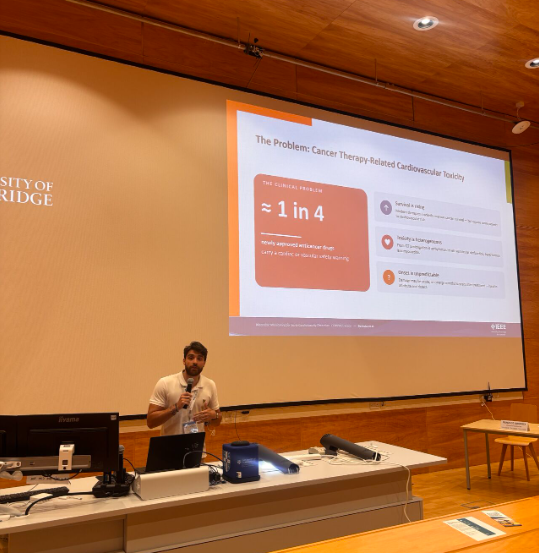
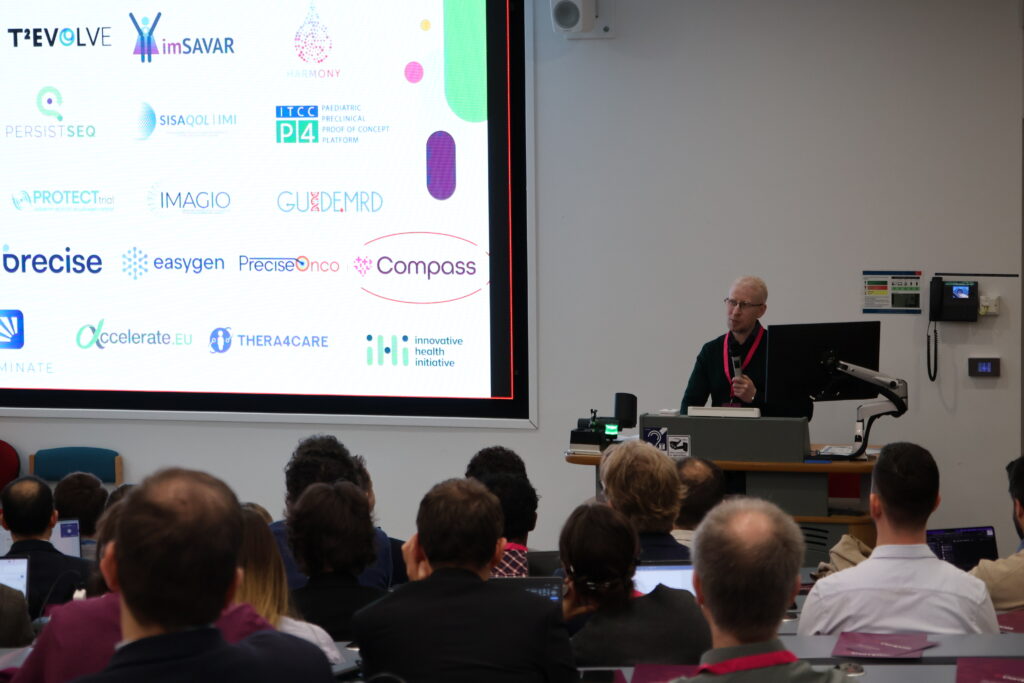
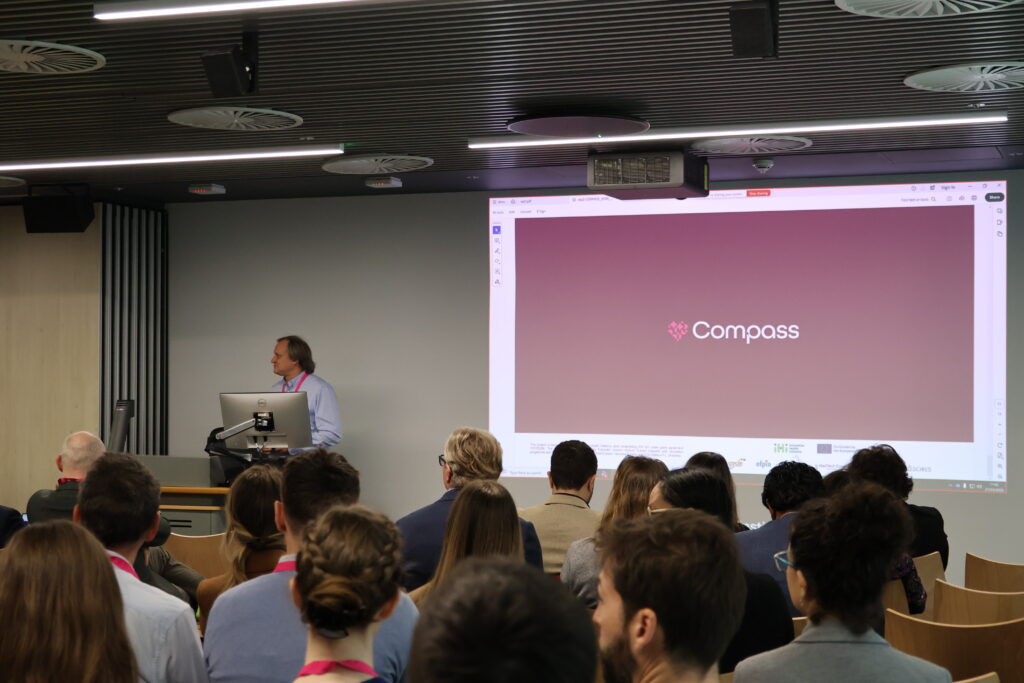
Vincenzo Barbuto (UNICAL) presenting COMPASS research at IEEE MetroLivEnv 2026.

Advancing continuous cardiovascular monitoring beyond the clinic

Cardiotoxicity remains one of the major challenges in cardio-oncology. While routine clinical assessments play a fundamental role in patient follow-up, cardiovascular changes may develop between scheduled visits. This is where wearable technologies could make a significant difference, providing continuous, non-invasive monitoring that complements conventional clinical evaluation and supports earlier identification of potential cardiovascular complications.

The work presented at IEEE MetroLivEnv 2026 reviewed several of the sensing technologies currently being investigated within the COMPASS framework, including electrocardiography (ECG), photoplethysmography (PPG), blood pressure monitoring, and inertial measurement unit (IMU)-based sensing. The presentation also addressed the opportunities these technologies offer, together with the practical and technical challenges that still need to be overcome before they can support reliable long-term monitoring in routine clinical practice.

Supporting the COMPASS vision for personalised cardio-oncology care

This research reflects one of the key ambitions of COMPASS: integrating advanced digital health technologies into a patient-centred cardio-oncology pathway capable of predicting cardiotoxicity risk, supporting earlier detection of cardiovascular complications, and enabling more personalised monitoring of cancer patients and survivors.

Presenting this work at an international scientific workshop also provided an opportunity to exchange knowledge with researchers working at the intersection of healthcare, engineering, digital technologies and measurement science, reinforcing the multidisciplinary collaboration that underpins the COMPASS project.

The presentation was delivered by researchers from the University of Calabria (UNICAL), with contributions from several COMPASS partners and collaborators, demonstrating the project’s collaborative approach to addressing one of the most pressing challenges in cancer survivorship.
Stay tuned to follow the progress of COMPASS and discover how the project is helping shape the future of cardio-oncology across Europe.

ESC Cardio-Oncology 2026: advancing cardiovascular health in cancer care

Bringing together experts from across disciplines, ESC Cardio-Oncology 2026 will foster collaboration, inspire innovation and help shape the future of cardio-oncology care.

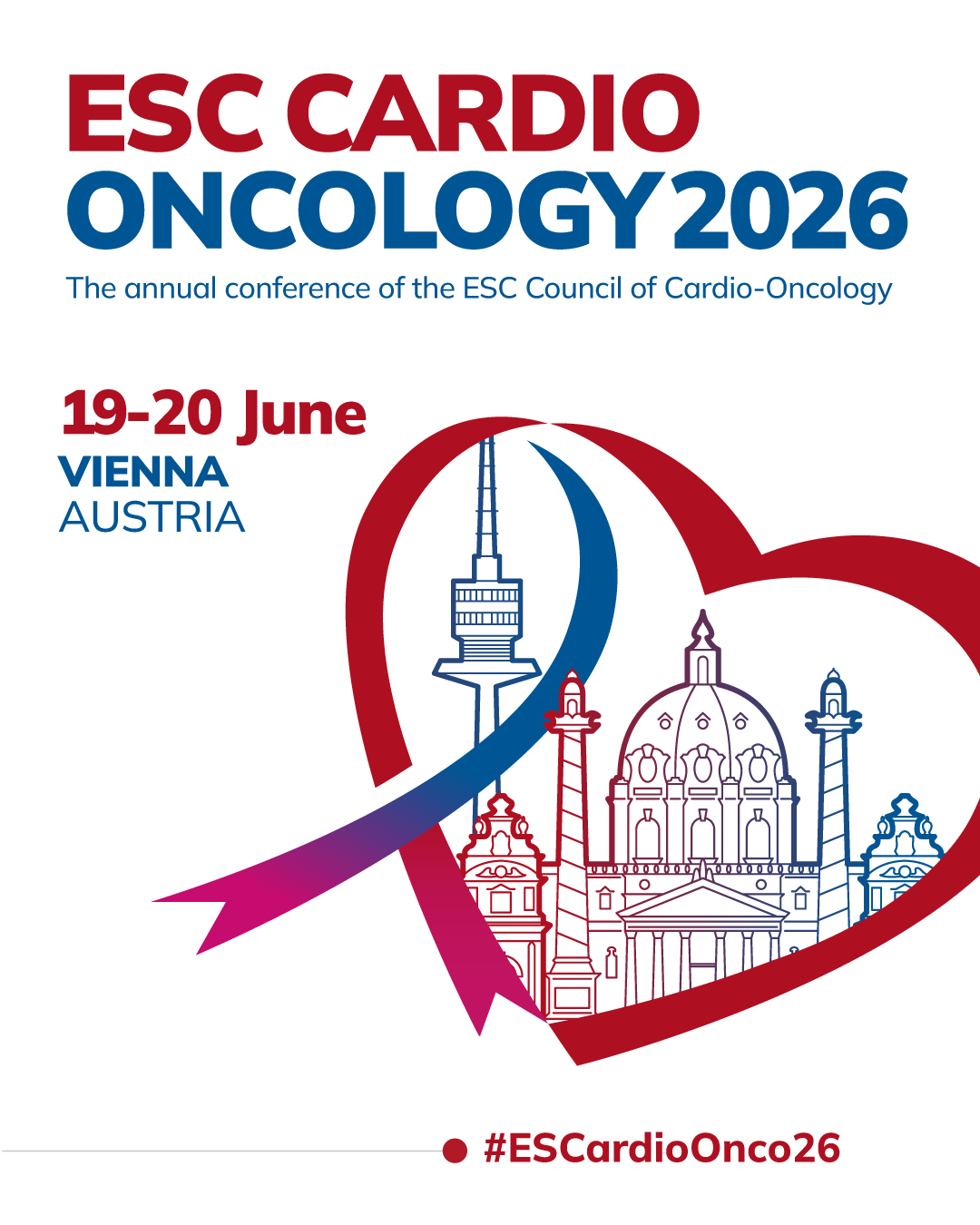
The ESC Cardio-Oncology 2026, the annual conference of the ESC Council of Cardio-Oncology, will take place in Vienna on 19–20 June and bring together leading clinicians, researchers, healthcare professionals and industry representatives working at the forefront of the field.

For the COMPASS project, the event provides an important platform to share knowledge, engage with the wider cardio-oncology community and contribute to discussions shaping the future of cardiovascular health in oncology. Bringing together European and international specialists from cardiology, oncology, haematology, radiotherapy and related disciplines, ESC Cardio-Oncology 2026 will provide a unique forum for exchanging expertise, addressing emerging challenges and exploring innovative approaches to patient care.

As a project dedicated to optimising the cardiovascular health of cancer patients and survivors through a comprehensive, patient-centred approach, COMPASS is closely aligned with many of the themes that will be explored throughout the event. From early cardiotoxicity risk prediction and advanced imaging technologies to AI-driven decision support and long-term survivorship care, the conference reflects several of the priorities currently being addressed within the project.

The COMPASS consortium looks forward to the valuable discussions, scientific exchanges and insights that will emerge from ESC Cardio-Oncology 2026, contributing to ongoing efforts to advance cardiovascular care for cancer patients and survivors across Europe.

Stay tuned for further updates on COMPASS participation at ESC Cardio-Oncology 2026!

COMPASS launches in London to transform the future of cardio-oncology

The COMPASS project kick-off meeting, hosted by King’s College London, brought together partners from across Europe and beyond to initiate a coordinated effort to advance patient-centred cardio-oncology care.

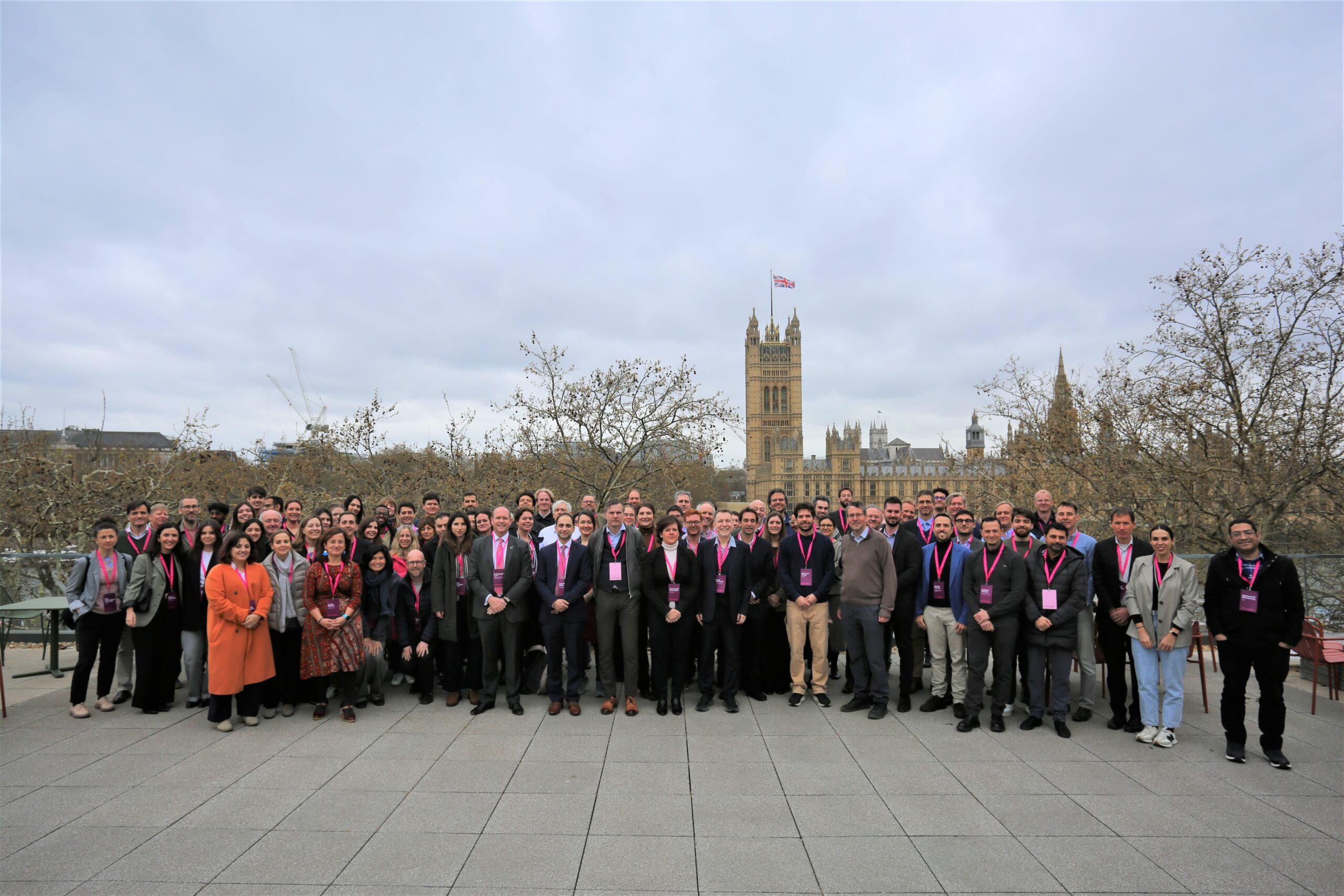
On 26–27 March 2026, the COMPASS project officially kicked off in London, bringing together over 100 participants onsite, with many more joining remotely. Hosted by King’s College London, the meeting marked the beginning of a five-year journey to reshape how cardiovascular health is managed in cancer patients and survivors.

As cancer survival rates continue to improve, a new challenge is becoming increasingly evident: cardiovascular disease is emerging as a major long-term risk. Addressing this complex intersection between oncology and cardiology requires coordinated, multidisciplinary action, something COMPASS is uniquely positioned to deliver.

Through a comprehensive and patient-centred approach, COMPASS aims to improve the early prediction of cardiotoxicity risk, enable earlier detection of cardiovascular complications, and support more personalised treatment and long-term monitoring. By bringing together expertise from clinical practice, biomedical research, medical imaging, artificial intelligence, and public health, the project seeks to address current gaps in cardio-oncology care and contribute to more integrated and effective healthcare systems.

Laying the groundwork for innovation

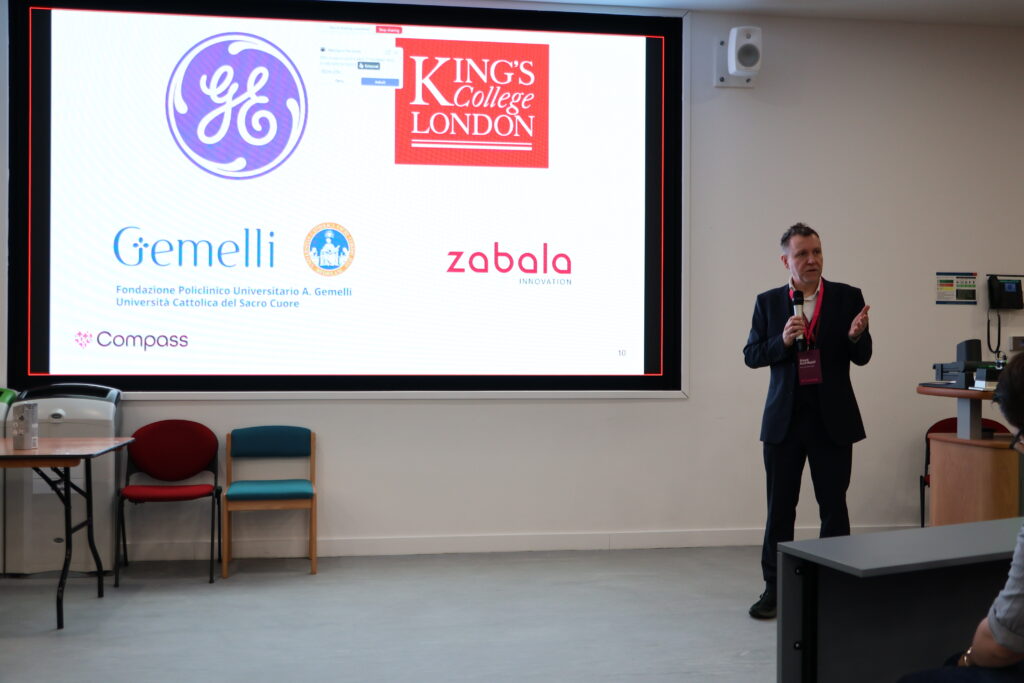
The first day of the meeting opened with a warm welcome from Steve Archibald (King’s College London), representing the project’s academic leadership. He introduced the ambition of COMPASS and set the scene for the work ahead, highlighting the strength of the consortium and the opportunity to bring together a truly multidisciplinary collaboration.

He was followed by Eigil Samset (GE HealthCare), representing the project’s industry leadership: “GE HealthCare is proud to lead the industrial contribution to COMPASS, joining forces with leading academic and clinical experts to enhance cardio oncology care. This collaboration aims to develop an AI powered, patient centered clinical pathway that enables earlier cardiotoxicity detection, safer cancer treatment, and better long term cardiovascular outcomes for cancer patients». He further outlined the strategic direction of the initiative and also underscored the strong academic–industry partnership at the core of COMPASS.

  • Steve Archibald from King's College London
  • Eigil Samset, COMPASS industrial leader

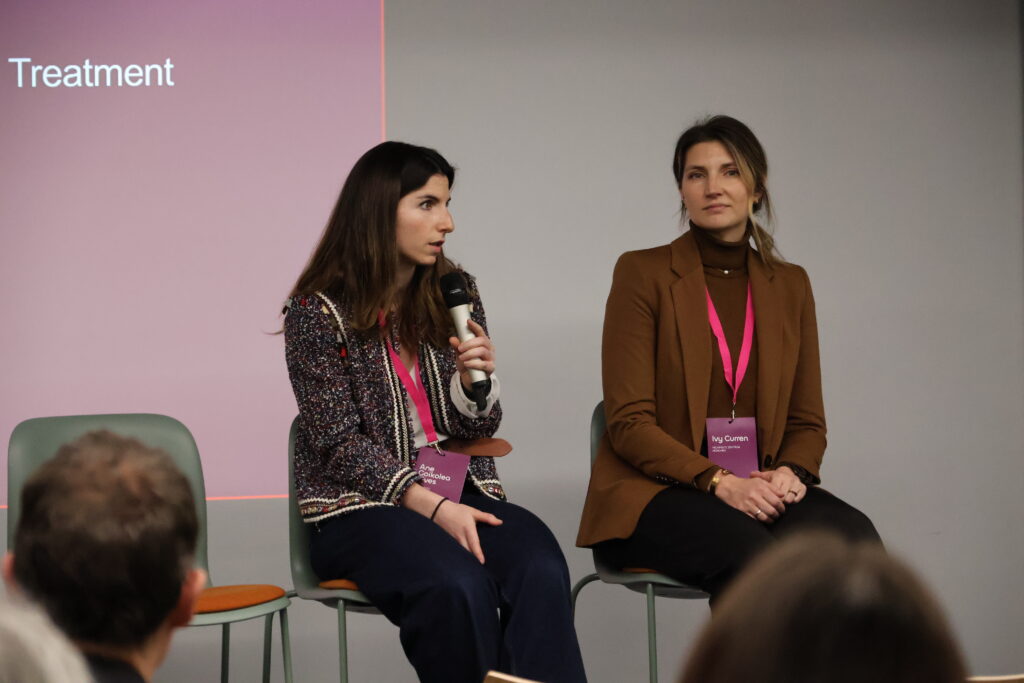
Attendees also had the opportunity to hear from Alexander Lyon, from Royal Brompton Hospital, and Sohaib Nazir, from King’s College London, who reflected on the expectations for the project, the importance of this collaboration, and the collective ambition to achieve meaningful impact in cardio-oncology.

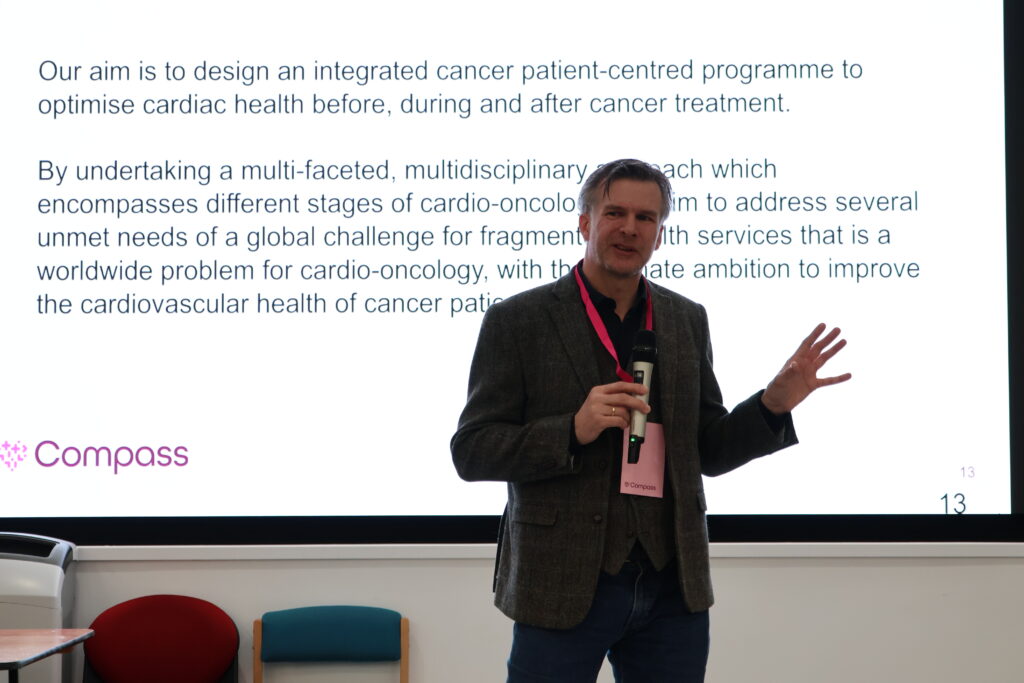
Overall, the opening moments highlighted the shared ambition to design an integrated, patient-centred programme to optimise cardiac health before, during and after cancer treatment, ensuring safer and more effective care while addressing long-term cardiovascular risks.

The consortium also had the opportunity to hear from Oussama Karroum, Project Officer at the Innovative Health Initiative (IHI), who provided valuable insights into the programme’s vision, priorities, and expectations. His contribution helped frame COMPASS within the broader European research and innovation landscape, reinforcing the importance of collaboration, impact, and long-term sustainability.

The opening concluded with a round of partner introductions, providing an overview of the consortium’s breadth and expertise. This exchange helped strengthen connections across the partnership and reinforced the foundations for effective collaboration throughout the project.

Diving into the workplan

Following the opening session, the day continued with focused Work Package (WP) sessions, where partners explored in detail how the project will address cardiotoxicity across the entire patient pathway.

Discussions covered a broad range of topics, reflecting the multidisciplinary nature of the project. From scientific and technological developments to clinical applications and patient-centred approaches, partners examined how COMPASS will tackle key challenges in cardio-oncology across the full patient journey.

Together, these activities form the backbone of the project’s approach, combining cutting-edge science, digital innovation, and clinical expertise to enable earlier detection of cardiovascular risks and more personalised care strategies.

The sessions also provided a valuable space for collaboration, allowing partners to align methodologies, identify synergies, and clarify how their work will contribute to a shared vision.

From vision to action

On the second day, the consortium came together for plenary presentations, where each WP leader presented an overview of planned activities, expected outcomes, and next steps.

These presentations highlighted how COMPASS will move from concept to implementation: developing solutions that are not only scientifically robust but also scalable and applicable in real-world healthcare settings.

At its core, the project aims to deliver a comprehensive, end-to-end clinical pathway that integrates risk prediction, early diagnosis, personalised treatment, and long-term monitoring. By leveraging multidisciplinary expertise, COMPASS seeks to overcome the fragmentation that currently limits effective cardio-oncology care.

Building connections to drive impact

Beyond the scientific agenda, the kick-off meeting was also a valuable opportunity for partners to connect, exchange ideas, and build the relationships that will underpin the project’s success.

The energy and engagement throughout the two days reflected a shared commitment to addressing one of the most pressing challenges in modern healthcare. Bringing together clinicians, researchers, industry leaders, and patient representatives, COMPASS embodies the collaborative spirit needed to deliver meaningful and lasting impact.

Privacy overview

This website uses cookies to ensure we can offer you the best possible user experience. Cookie data is stored in your browser and performs functions such as recognising you when you return to our website or helping our team understand which sections of the site you find most interesting and useful.