IEEE MetroLivEnv 2026: COMPASS research on wearable monitoring for early cardiotoxicity detection

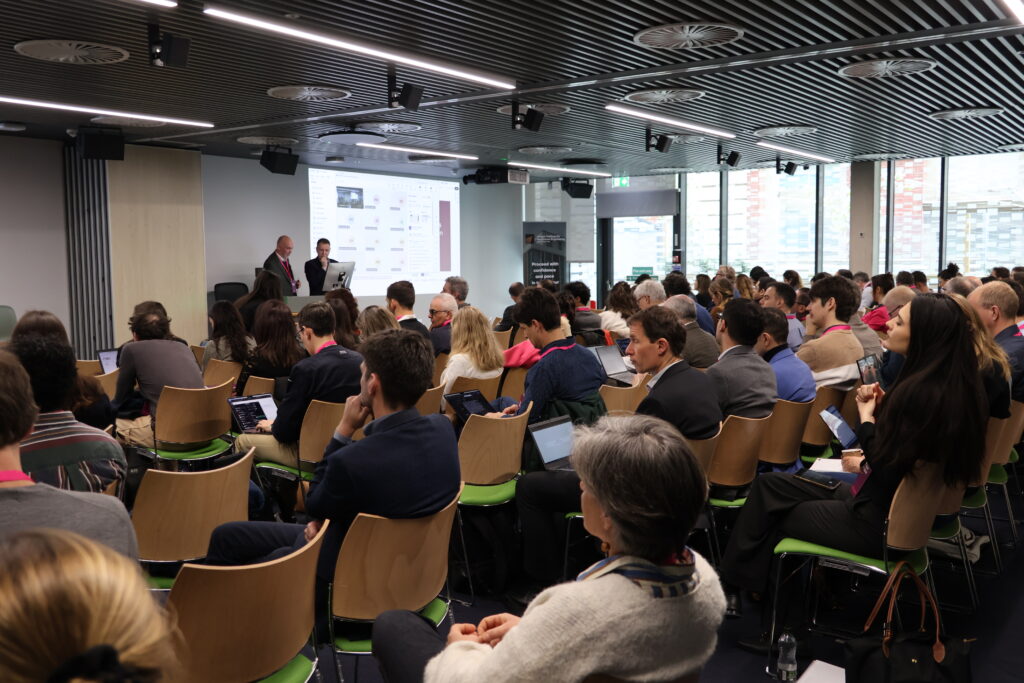
The COMPASS project was recently represented at the IEEE International Workshop on Metrology for Living Environment (IEEE MetroLivEnv 2026), held in Cambridge, United Kingdom, where researchers presented ongoing work exploring the potential of wearable technologies to support the early detection of cardiotoxicity in cancer patients.

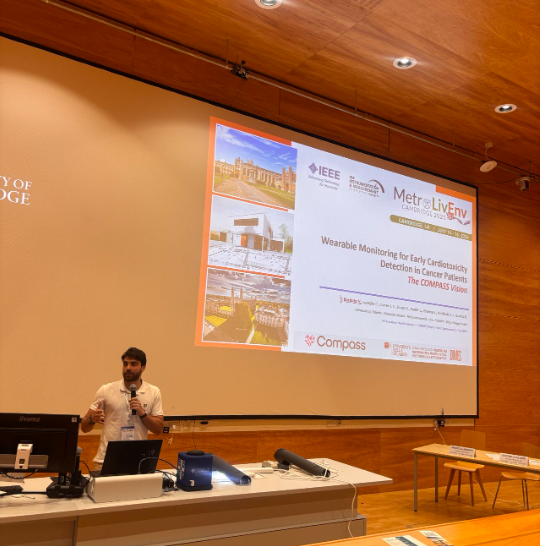
The contribution, entitled «Wearable Monitoring for Early Cardiotoxicity Detection in Cancer Patients: The COMPASS Vision,» highlights how continuous, non-invasive monitoring could help extend cardiovascular assessment beyond the hospital environment, supporting earlier identification of cardiovascular complications associated with cancer treatments.

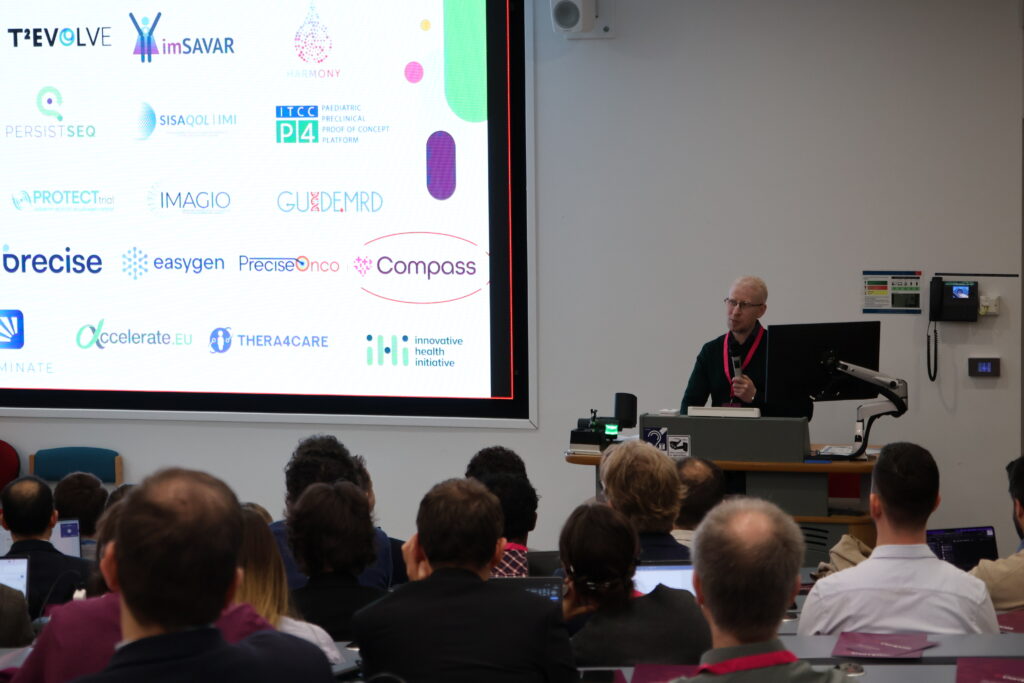
«This is particularly relevant in cardio-oncology, where cardiovascular toxicity induced by cancer therapies can be subtle, transient, or progressively evolving, and may remain unnoticed between scheduled clinical visits,» explained Vincenzo Barbuto from the University of Calabria (UNICAL), who presented the COMPASS research at the workshop.
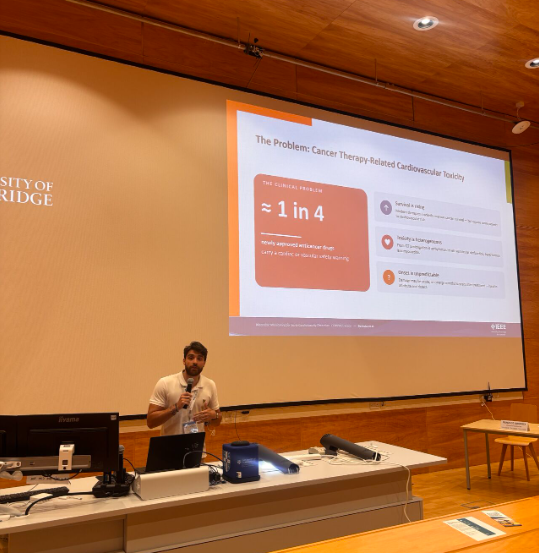
Vincenzo Barbuto (UNICAL) presenting COMPASS research at IEEE MetroLivEnv 2026.

Advancing continuous cardiovascular monitoring beyond the clinic

Cardiotoxicity remains one of the major challenges in cardio-oncology. While routine clinical assessments play a fundamental role in patient follow-up, cardiovascular changes may develop between scheduled visits. This is where wearable technologies could make a significant difference, providing continuous, non-invasive monitoring that complements conventional clinical evaluation and supports earlier identification of potential cardiovascular complications.

The work presented at IEEE MetroLivEnv 2026 reviewed several of the sensing technologies currently being investigated within the COMPASS framework, including electrocardiography (ECG), photoplethysmography (PPG), blood pressure monitoring, and inertial measurement unit (IMU)-based sensing. The presentation also addressed the opportunities these technologies offer, together with the practical and technical challenges that still need to be overcome before they can support reliable long-term monitoring in routine clinical practice.

Supporting the COMPASS vision for personalised cardio-oncology care

This research reflects one of the key ambitions of COMPASS: integrating advanced digital health technologies into a patient-centred cardio-oncology pathway capable of predicting cardiotoxicity risk, supporting earlier detection of cardiovascular complications, and enabling more personalised monitoring of cancer patients and survivors.

Presenting this work at an international scientific workshop also provided an opportunity to exchange knowledge with researchers working at the intersection of healthcare, engineering, digital technologies and measurement science, reinforcing the multidisciplinary collaboration that underpins the COMPASS project.

The presentation was delivered by researchers from the University of Calabria (UNICAL), with contributions from several COMPASS partners and collaborators, demonstrating the project’s collaborative approach to addressing one of the most pressing challenges in cancer survivorship.

Stay tuned to follow the progress of COMPASS and discover how the project is helping shape the future of cardio-oncology across Europe.

ESC Cardio-Oncology 2026: advancing cardiovascular health in cancer care

Bringing together experts from across disciplines, ESC Cardio-Oncology 2026 will foster collaboration, inspire innovation and help shape the future of cardio-oncology care.

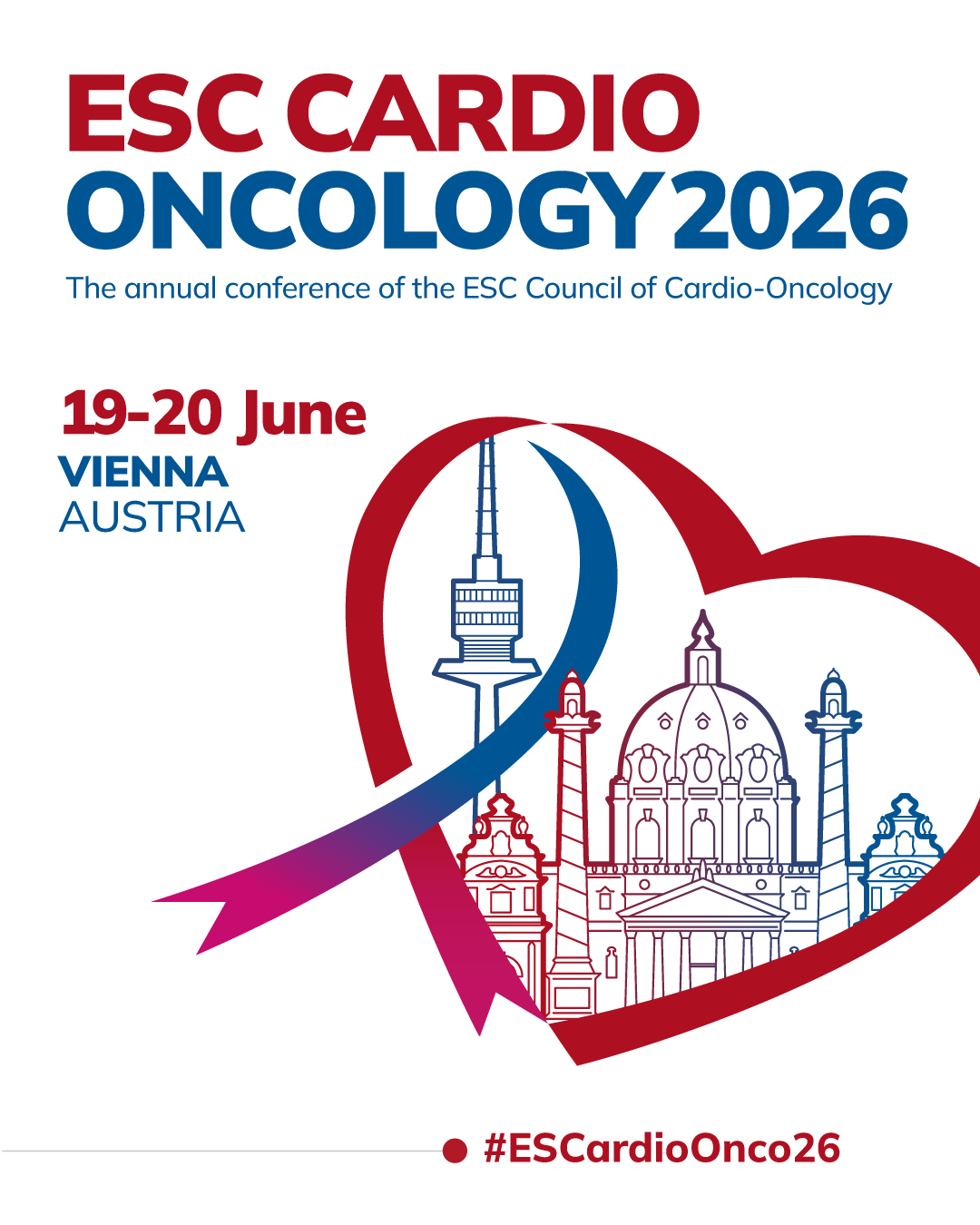
The ESC Cardio-Oncology 2026, the annual conference of the ESC Council of Cardio-Oncology, will take place in Vienna on 19–20 June and bring together leading clinicians, researchers, healthcare professionals and industry representatives working at the forefront of the field.

For the COMPASS project, the event provides an important platform to share knowledge, engage with the wider cardio-oncology community and contribute to discussions shaping the future of cardiovascular health in oncology. Bringing together European and international specialists from cardiology, oncology, haematology, radiotherapy and related disciplines, ESC Cardio-Oncology 2026 will provide a unique forum for exchanging expertise, addressing emerging challenges and exploring innovative approaches to patient care.

As a project dedicated to optimising the cardiovascular health of cancer patients and survivors through a comprehensive, patient-centred approach, COMPASS is closely aligned with many of the themes that will be explored throughout the event. From early cardiotoxicity risk prediction and advanced imaging technologies to AI-driven decision support and long-term survivorship care, the conference reflects several of the priorities currently being addressed within the project.

The COMPASS consortium looks forward to the valuable discussions, scientific exchanges and insights that will emerge from ESC Cardio-Oncology 2026, contributing to ongoing efforts to advance cardiovascular care for cancer patients and survivors across Europe.

Stay tuned for further updates on COMPASS participation at ESC Cardio-Oncology 2026!

COMPASS brings its innovative cardio-oncology approach to MedTech Forum 2026

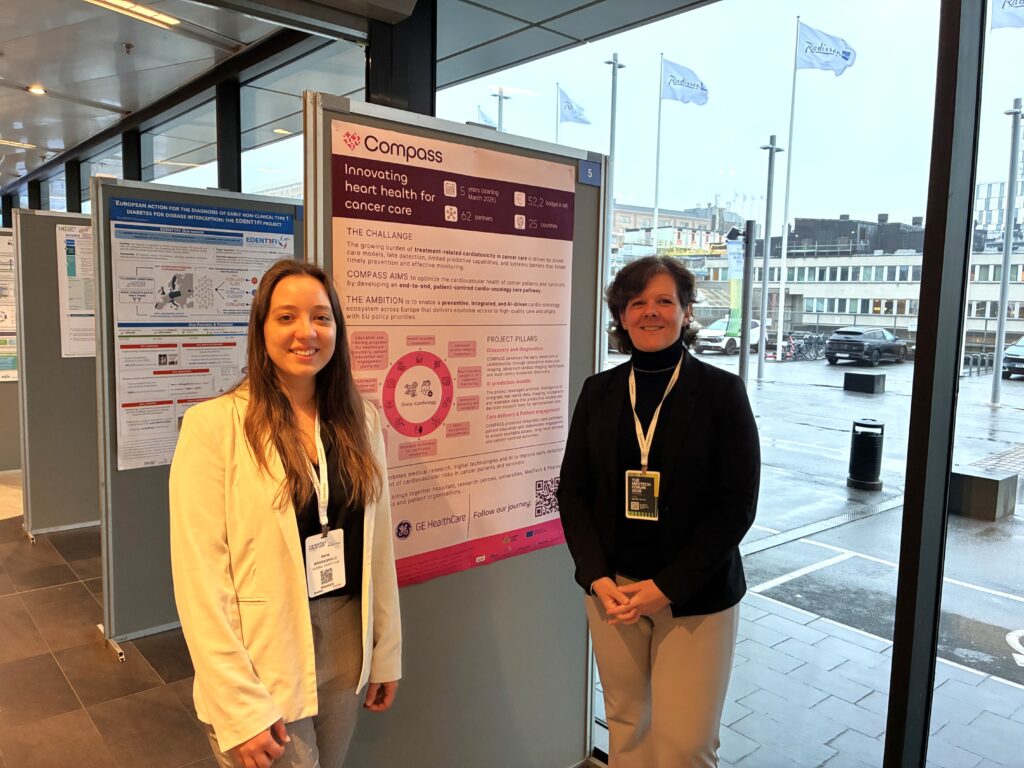
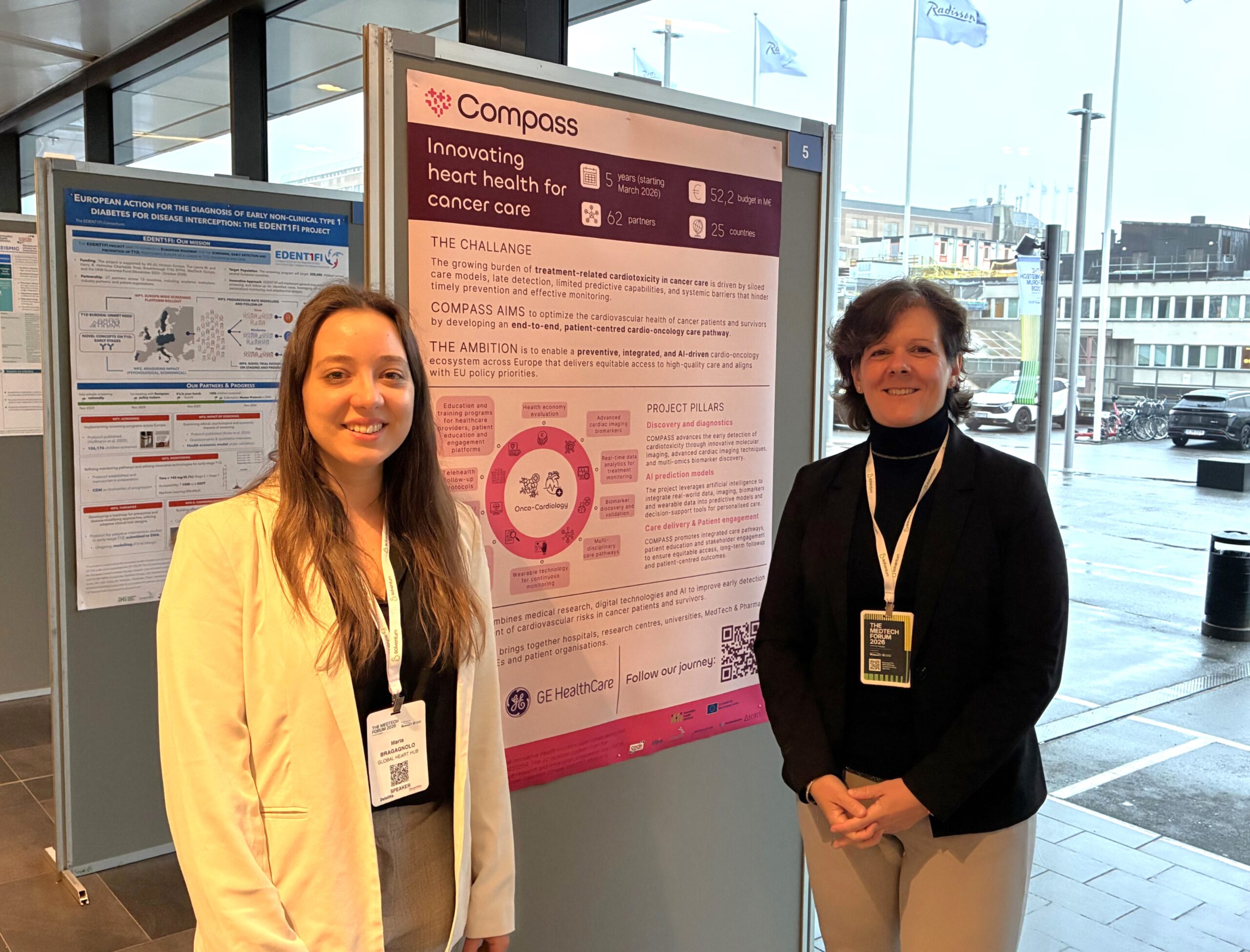
The COMPASS project was showcased at MedTech Forum 2026 in Stockholm through a poster presentation, highlighting the project’s multidisciplinary approach to advancing cardio-oncology care in Europe.

Last week, the MedTech Forum once again confirmed its position as one of Europe’s leading conferences for the medical technology sector. Held this year in Stockholm, the event brought together healthcare professionals, industry leaders, innovators and policymakers from across Europe to discuss the future of medical technology, digital health and innovation in healthcare systems.

The COMPASS project was showcased at the forum through the participation of project partners, including GE HealthCare and the Global Heart Hub, fostering exchange and discussion with key stakeholders from across the healthcare and research ecosystem. Through a poster presentation in the exhibition area, the project presented its vision, objectives and multidisciplinary approach to improving cardiovascular care for cancer patients and survivors through innovation, artificial intelligence and integrated care pathways.

Reflecting on the forum, Annamaria Csizmadia, European External Funding CoE Director at GE HealthCare, emphasised the value of collaboration and knowledge exchange across the European healthcare ecosystem: “The real value of these events always lies in the conversations, the exchange of perspectives, and the new opportunities for collaboration”.

A collaborative space for the future of healthcare

The MedTech Forum 2026 focused on some of the most pressing topics currently shaping the European healthcare landscape, including the evolving EU regulatory landscape and policy priorities, the growing impact of digital health and AI, the improvement of patient access to innovation, and the development of more sustainable and resilient healthcare systems.

For the COMPASS consortium, these discussions closely reflect the project’s own mission: advancing more integrated, personalised and patient-centred approaches to cardio-oncology care through innovation, AI and multidisciplinary collaboration.

Worthy of note was also the strong presence of the Innovative Health Initiative (IHI) throughout the event and its importance in supporting collaborative innovation across Europe. “IHI plays a critical role in fostering cross-sector collaboration between industry, academia, and healthcare stakeholders to drive meaningful, patient-centered innovation”, highlighted Annamaria Csizmadia. She further emphasised the importance of initiatives such as COMPASS “to accelerate the translation of research into real-world clinical impact, solution and to strengthen Europe’s innovation ecosystem”.

As one of the leading industrial partners in the COMPASS consortium, GE HealthCare contributes expertise in medical imaging, artificial intelligence and digital health technologies, supporting the development and validation of innovative imaging approaches, AI-driven tools and integrated digital solutions for cardio-oncology care.

Bringing cardio-oncology innovation to the MedTech community

Participation in MedTech Forum 2026 represented an important opportunity to increase the visibility of COMPASS within the European MedTech and digital health ecosystem, while contributing to ongoing conversations around the future implementation of innovative healthcare solutions.

The forum also provided an opportunity to reflect on how many of the current priorities in healthcare innovation are already converging in practice across European collaborative projects.

For the consortium, events like this are essential not only for disseminating project objectives and innovations, but also for strengthening connections with stakeholders working towards more integrated, accessible and personalised healthcare systems.

Why clinical trials matter for the future of cardio-oncology in COMPASS

On the occasion of International Clinical Trials Day, COMPASS highlights the essential role of clinical research in advancing more personalised, preventive and patient-centred cardio-oncology care across Europe.

Patients and survivors are at the centre of the COMPASS project, guiding the development of more personalised, preventive and connected cardio-oncology care pathways across Europe. Through a strong programme of clinical research combining multidisciplinary expertise, advanced technologies and patient-centred approaches, the project aims to improve how cardiovascular complications in cancer patients and survivors are predicted, detected and managed, helping translate scientific innovation into real clinical benefit.

On the occasion of International Clinical Trials Day, celebrated every year on 20 May, COMPASS highlights the essential role that clinical research plays in advancing healthcare and improving patients’ lives. The date commemorates the work of James Lind, who conducted one of the earliest recorded clinical trials in 1747, laying the foundations for modern evidence-based medicine.

Clinical trials and studies are essential research activities that help evaluate new treatments, technologies, diagnostic tools and approaches to patient care. Conducted by multidisciplinary teams of researchers, clinicians and healthcare professionals, they play a fundamental role in ensuring that medical innovations are safe, effective and beneficial for patients.

Today, clinical trials remain fundamental to medical progress and, specifically, research and innovation programmes, including initiatives such as the Innovative Health Initiative (IHI). They support the development of new treatments, diagnostic tools and healthcare technologies, while ensuring their safety, effectiveness and real-world clinical value.

Clinical research at the heart of COMPASS

From the conception of the project, clinical research and validation activities have been placed at the core of COMPASS, shaping both its scientific approach and its ambition to deliver tangible benefits for patients and healthcare systems.

Over the next five years, COMPASS will carry out a wide range of clinical research and validation activities across Europe. The project will combine prospective and retrospective studies, multicentre clinical cohorts and longitudinal monitoring programmes to improve the early detection and prediction of cardiotoxicity.

Across the project, these research activities will explore how advanced cardiac imaging, novel biomarkers, artificial intelligence and wearable technologies can support earlier detection of cardiovascular complications and more personalised follow-up strategies for cancer patients and survivors.

We use experimental models of anthracycline-induced cardiotoxicity to test different imaging probes and assess whether new imaging modalities can be developed for the early detection of cardiotoxicity“, says Borja Ibáñez, scientific director of the Centro Nacional de Investigaciones Cardiovasculares Carlos III (CNIC), cardiologist at Fundación Jiménez Díaz University Hospital, and group leader at CIBERCV, who is involved in several projects.

Importantly, COMPASS seeks to integrate patient perspectives, quality of life considerations and real-world clinical needs into the future of cardio-oncology care. Through its research activities, the project aims not only to advance scientific knowledge, but also to support healthcare professionals in making more informed decisions and improving long-term outcomes for patients and survivors.

These activities will also contribute to the development and validation of more continuous and preventive approaches to cardiovascular care, helping identify patients who may benefit from closer monitoring during and after cancer treatment.

Building more personalised and connected care pathways

COMPASS will place a strong focus on long-term survivorship, contributing to research on cardiovascular health after cancer treatment and supporting the development of more sustainable and patient-centred monitoring and prevention pathways across Europe.

By bringing together clinical expertise, research, technology and patient perspectives, COMPASS aims to contribute to a more integrated approach to cardio-oncology care across Europe.

Within COMPASS, CNIC is leading research activities focused on developing new risk scores to identify the likelihood of long-term cancer survivors experiencing cardiovascular events,” adds Borja Ibáñez. “We will compile international databases including around 100,000 patients to develop models capable of predicting cardiovascular risk. In addition, we will analyze the impact of immunotherapy on silent atherosclerosis as part of a complementary subproject“.

As Ibáñez highlights: “COMPASS represents an important opportunity to improve the long-term cardiovascular care of cancer survivors through a more integrated and preventive approach“.

In this context, on International Clinical Trials Day, COMPASS recognises the contribution of researchers, clinicians, patients and healthcare professionals involved in clinical research, whose work continues to drive innovation and improve lives across Europe.

Stay tuned to follow the progress of COMPASS clinical studies and discover how the project is helping shape the future of cardio-oncology across Europe.

Call for Interest: join the COMPASS Patient Advisory Group

At COMPASS, patients are at the heart of everything we do. Our project is built on the principle that health innovation must be co-created with those it is designed to serve. For this reason, Global Heart Hub (GHH), the International Alliance of Cardiovascular Patient Organisations, is leading Work Package 9 on Patient Engagement, Education and Training. A central component of this work package is the establishment of a Patient Advisory Group (PAG) which will be coordinated by GHH to ensure that patient voices actively shape the design, implementation and evaluation of the project activities.

The call to be part of the COMPASS Patient Advisory Group is now open! By joining, you will help ensure that the project remains grounded in what truly matters: the needs, experiences and priorities of patients and their families.

COMPASS is a collaborative research project, coordinated by King’s College London and GE Healthcare, that aims to address the growing cardiovascular risks faced by cancer patients and survivors. The project started in March 2026 and will run for five years, bringing together 62 organisations from 25 countries, including hospitals, research centres, universities, MedTech companies, SMEs and patient organisations.

What is the Patient Advisory Group?

The COMPASS Patient Advisory Group will consist on a diverse group of up to 10 individuals (patients, family members and carers), reflecting a wide range of experiences, backgrounds and perspectives. This group will ensure that:

  • Patient perspectives are embedded across all work packages
  • Real-life experiences guide research priorities and solution development
  • Outcomes are meaningful, relevant and impactful for patients and their families

Through the PAG, patients and carers will not be passive contributors, but active partners in shaping the future of care. It will establish a structured engagement model to ensure meaningful and sustained participation of patients and informal carers in the co-design, implementation and evaluation of health solutions and treatment decisions.

Who are we looking for?

Applicants should:

  • Be 18 years or older
  • Be based in a European country
  • Have lived experience with cancer and potentially also cardiovascular disease, or serve as a caregiver to someone who does

While we are particularly interested in experiences related to b-cell lymphoma, breast and lung cancer, we remain open to participation from patients and survivors across all cancer types.

The PAG welcomes those cancer patients and survivors who have cardiovascular disease (CVD) as a comorbidity and those who have not yet developed CVD, as an important comparative and exploratory perspective.

We are especially interested in people who:

  • Are comfortable communicating in English
  • Can to process and interpret large amounts of information and provide input on them
  • Work comfortably in an online environment
  • Are committed to maintaining confidentiality of project-related information
  • Are open to collaboration and sharing perspectives in meetings and group conversations
  • Are willing to be collaborative and constructive but prepared to provide and receive challenging input

What does participation involve?

PAG members will take part in approximately 4 mandatory yearly meetings, join up to 2 additional ad-hoc meetings annually. Additionally, they will take part in other activities such as workshops, surveys and online consultations as needed. Their input will directly influence key decisions and outputs across the project. Please note that while most meetings will take place online, PAG members may have the opportunity to attend in person meeting such as the General Assembly meeting.

While the available budget limits the level of remuneration we are able to offer, we greatly value and recognise the expertise and lived experience you bring. Participation will therefore be supported with a modest honorarium as a gesture of our appreciation.

How to apply?

Please complete the online application form and attach your CV.

What happens once we receive your application?

  1. The information will be evaluated by GHH staff working on the project
  2. After the evaluation of applications, shortlisted candidates will be invited to an informal conversation as part of the selection process (max 20 minutes). This is not an interview, and you are not expected to prepare for it
  3. If you are selected, the next steps will be confirmed in future communications
  4. All applicants will be informed about the outcome

Timeline of the next steps

  • Launch of the Call for Interest: 8 May 2026
  • Deadline submission: 19 June 2026
  • Online call with shortlisted applicants: starting 22 June 2026

Any questions?

If you have any questions, please contact Valérie Balvert at GHH (valerie@globalhearthub.org).

We sincerely thank you for your interest in joining COMPASS and look forward to welcoming you as a partner in shaping the future of cancer care!

COMPASS launches in London to transform the future of cardio-oncology

The COMPASS project kick-off meeting, hosted by King’s College London, brought together partners from across Europe and beyond to initiate a coordinated effort to advance patient-centred cardio-oncology care.

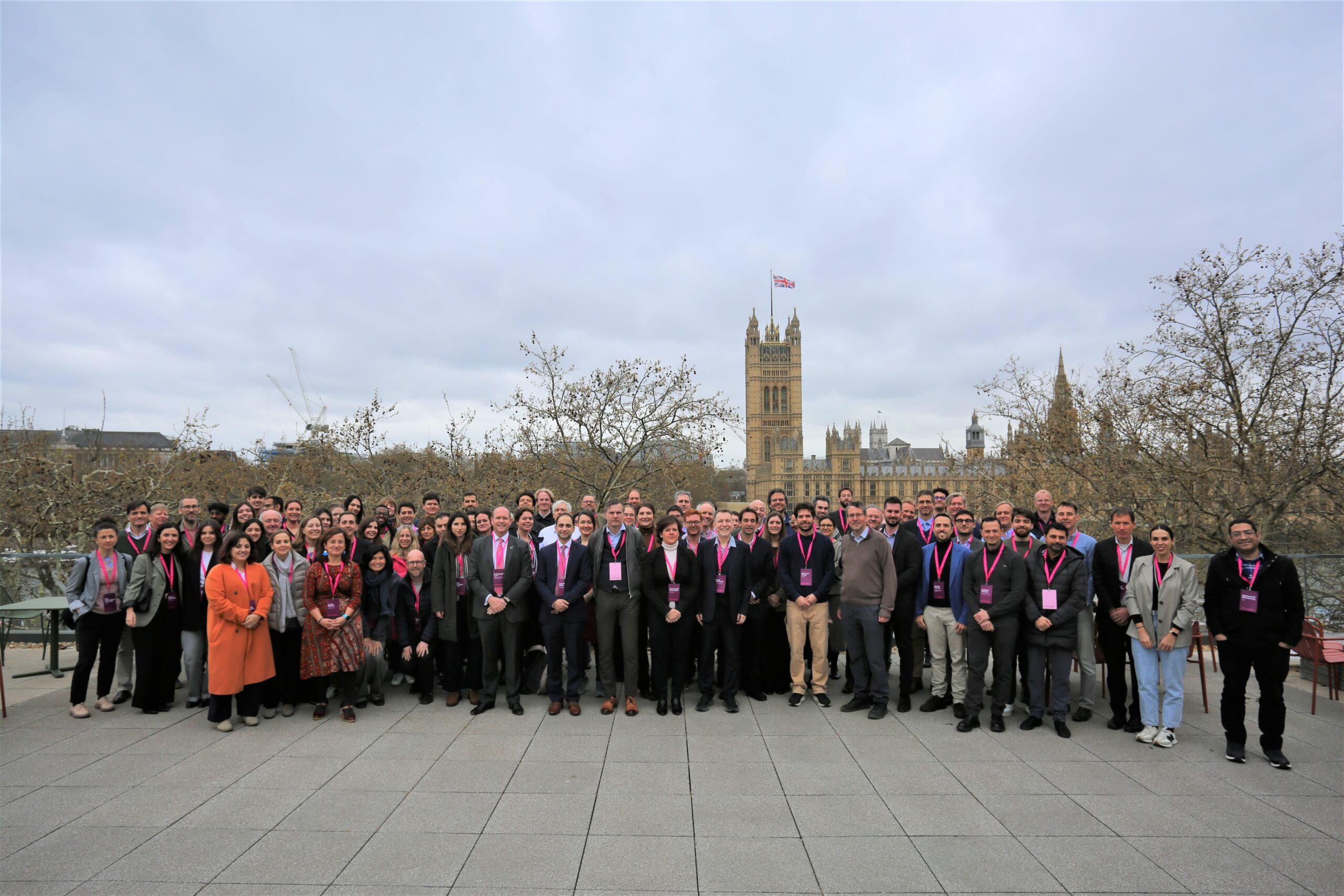
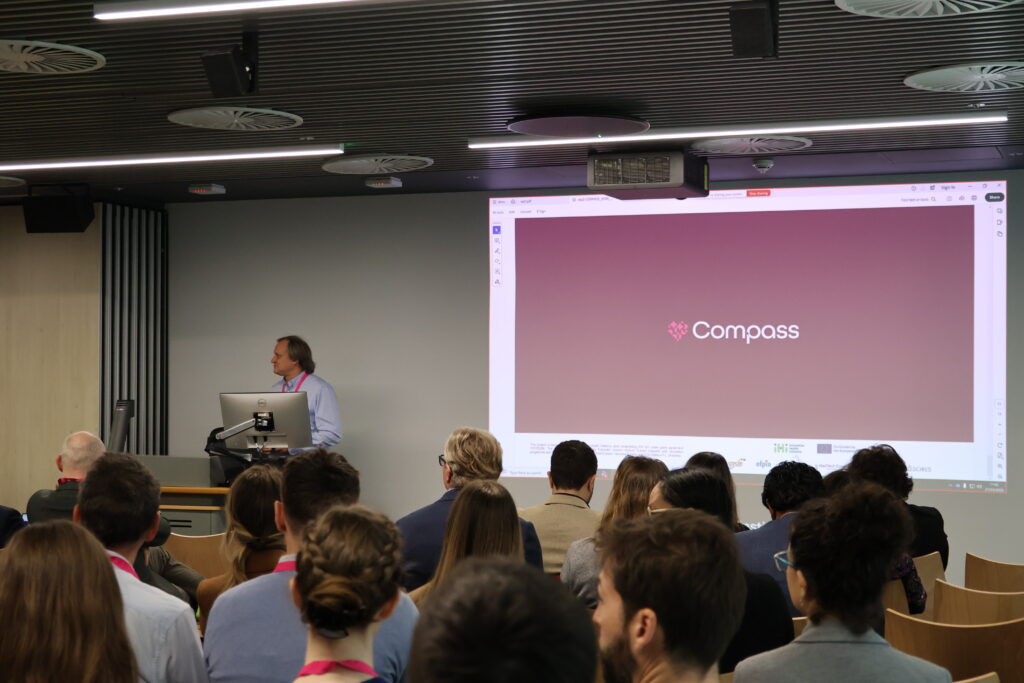
On 26–27 March 2026, the COMPASS project officially kicked off in London, bringing together over 100 participants onsite, with many more joining remotely. Hosted by King’s College London, the meeting marked the beginning of a five-year journey to reshape how cardiovascular health is managed in cancer patients and survivors.

As cancer survival rates continue to improve, a new challenge is becoming increasingly evident: cardiovascular disease is emerging as a major long-term risk. Addressing this complex intersection between oncology and cardiology requires coordinated, multidisciplinary action, something COMPASS is uniquely positioned to deliver.

Through a comprehensive and patient-centred approach, COMPASS aims to improve the early prediction of cardiotoxicity risk, enable earlier detection of cardiovascular complications, and support more personalised treatment and long-term monitoring. By bringing together expertise from clinical practice, biomedical research, medical imaging, artificial intelligence, and public health, the project seeks to address current gaps in cardio-oncology care and contribute to more integrated and effective healthcare systems.

Laying the groundwork for innovation

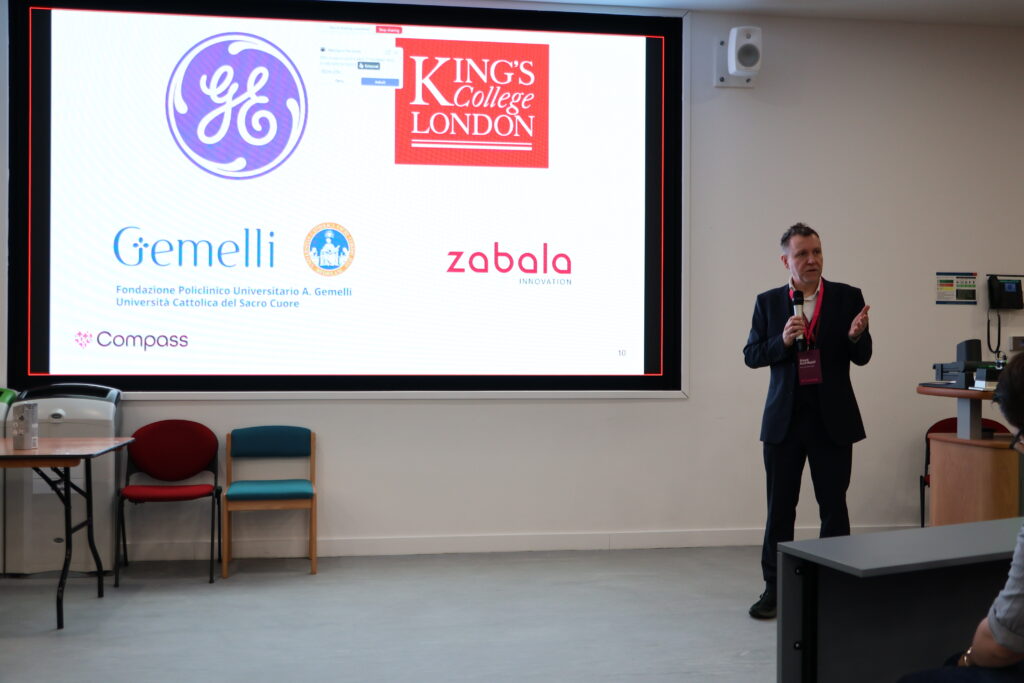
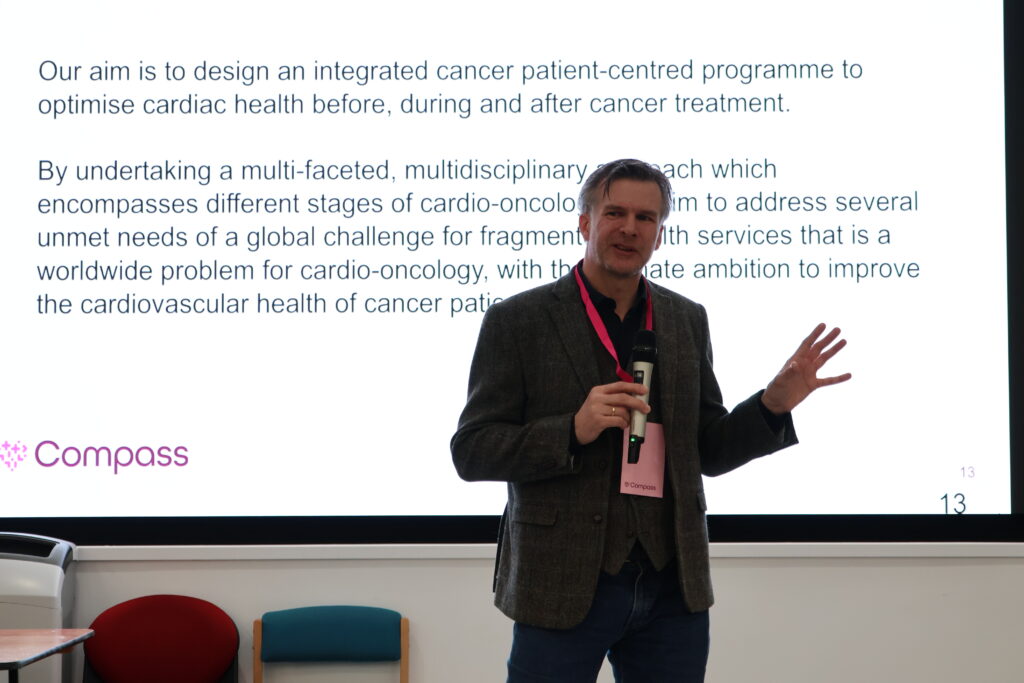
The first day of the meeting opened with a warm welcome from Steve Archibald (King’s College London), representing the project’s academic leadership. He introduced the ambition of COMPASS and set the scene for the work ahead, highlighting the strength of the consortium and the opportunity to bring together a truly multidisciplinary collaboration.

He was followed by Eigil Samset (GE HealthCare), representing the project’s industry leadership: “GE HealthCare is proud to lead the industrial contribution to COMPASS, joining forces with leading academic and clinical experts to enhance cardio oncology care. This collaboration aims to develop an AI powered, patient centered clinical pathway that enables earlier cardiotoxicity detection, safer cancer treatment, and better long term cardiovascular outcomes for cancer patients». He further outlined the strategic direction of the initiative and also underscored the strong academic–industry partnership at the core of COMPASS.

  • Steve Archibald from King's College London
  • Eigil Samset, COMPASS industrial leader

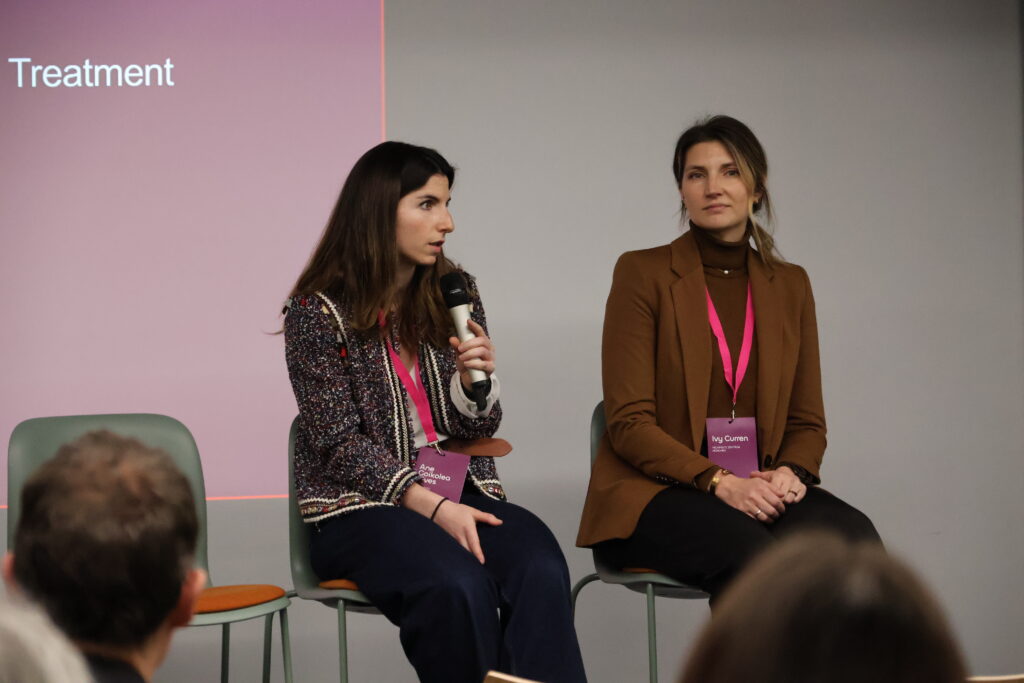
Attendees also had the opportunity to hear from Alexander Lyon, from Royal Brompton Hospital, and Sohaib Nazir, from King’s College London, who reflected on the expectations for the project, the importance of this collaboration, and the collective ambition to achieve meaningful impact in cardio-oncology.

Overall, the opening moments highlighted the shared ambition to design an integrated, patient-centred programme to optimise cardiac health before, during and after cancer treatment, ensuring safer and more effective care while addressing long-term cardiovascular risks.

The consortium also had the opportunity to hear from Oussama Karroum, Project Officer at the Innovative Health Initiative (IHI), who provided valuable insights into the programme’s vision, priorities, and expectations. His contribution helped frame COMPASS within the broader European research and innovation landscape, reinforcing the importance of collaboration, impact, and long-term sustainability.

The opening concluded with a round of partner introductions, providing an overview of the consortium’s breadth and expertise. This exchange helped strengthen connections across the partnership and reinforced the foundations for effective collaboration throughout the project.

Diving into the workplan

Following the opening session, the day continued with focused Work Package (WP) sessions, where partners explored in detail how the project will address cardiotoxicity across the entire patient pathway.

Discussions covered a broad range of topics, reflecting the multidisciplinary nature of the project. From scientific and technological developments to clinical applications and patient-centred approaches, partners examined how COMPASS will tackle key challenges in cardio-oncology across the full patient journey.

Together, these activities form the backbone of the project’s approach, combining cutting-edge science, digital innovation, and clinical expertise to enable earlier detection of cardiovascular risks and more personalised care strategies.

The sessions also provided a valuable space for collaboration, allowing partners to align methodologies, identify synergies, and clarify how their work will contribute to a shared vision.

From vision to action

On the second day, the consortium came together for plenary presentations, where each WP leader presented an overview of planned activities, expected outcomes, and next steps.

These presentations highlighted how COMPASS will move from concept to implementation: developing solutions that are not only scientifically robust but also scalable and applicable in real-world healthcare settings.

At its core, the project aims to deliver a comprehensive, end-to-end clinical pathway that integrates risk prediction, early diagnosis, personalised treatment, and long-term monitoring. By leveraging multidisciplinary expertise, COMPASS seeks to overcome the fragmentation that currently limits effective cardio-oncology care.

Building connections to drive impact

Beyond the scientific agenda, the kick-off meeting was also a valuable opportunity for partners to connect, exchange ideas, and build the relationships that will underpin the project’s success.

The energy and engagement throughout the two days reflected a shared commitment to addressing one of the most pressing challenges in modern healthcare. Bringing together clinicians, researchers, industry leaders, and patient representatives, COMPASS embodies the collaborative spirit needed to deliver meaningful and lasting impact.

Privacy overview

This website uses cookies to ensure we can offer you the best possible user experience. Cookie data is stored in your browser and performs functions such as recognising you when you return to our website or helping our team understand which sections of the site you find most interesting and useful.